

What is Phu Quoc Island famous for? Introduction to Phu Quoc Vietnam
Have you ever pictured a place where mornings begin with waves lapping over powder-white sand, afternoons are spent savoring just-caught seafood in a fishing village, and evenings come alive under the glittering lights of a bustling night market? Phu Quoc Vietnam is exactly that place. Widely known as the country’s largest and most celebrated “Pearl Island,” Phu Quoc Vietnam impresses visitors with a rare harmony of untouched nature, crystal-clear water, and modern tourism infrastructure. In this guide, My Vietnam Tours introduces Phu Quoc Island – the island rightfully nicknamed Vietnam’s own tropical paradise.
Introducing Phu Quoc Island
Before setting foot on the island, it helps to understand the essentials that make this destination so special.
Where Is Phu Quoc Island Located? Which Province Does It Belong To?
“Where is Phu Quoc?” is one of the first questions travelers ask when planning a trip to this island. Phu Quoc Vietnam sits in the Gulf of Thailand, off the southwestern tip of the country, roughly 400 kilometers by air from Ho Chi Minh City.
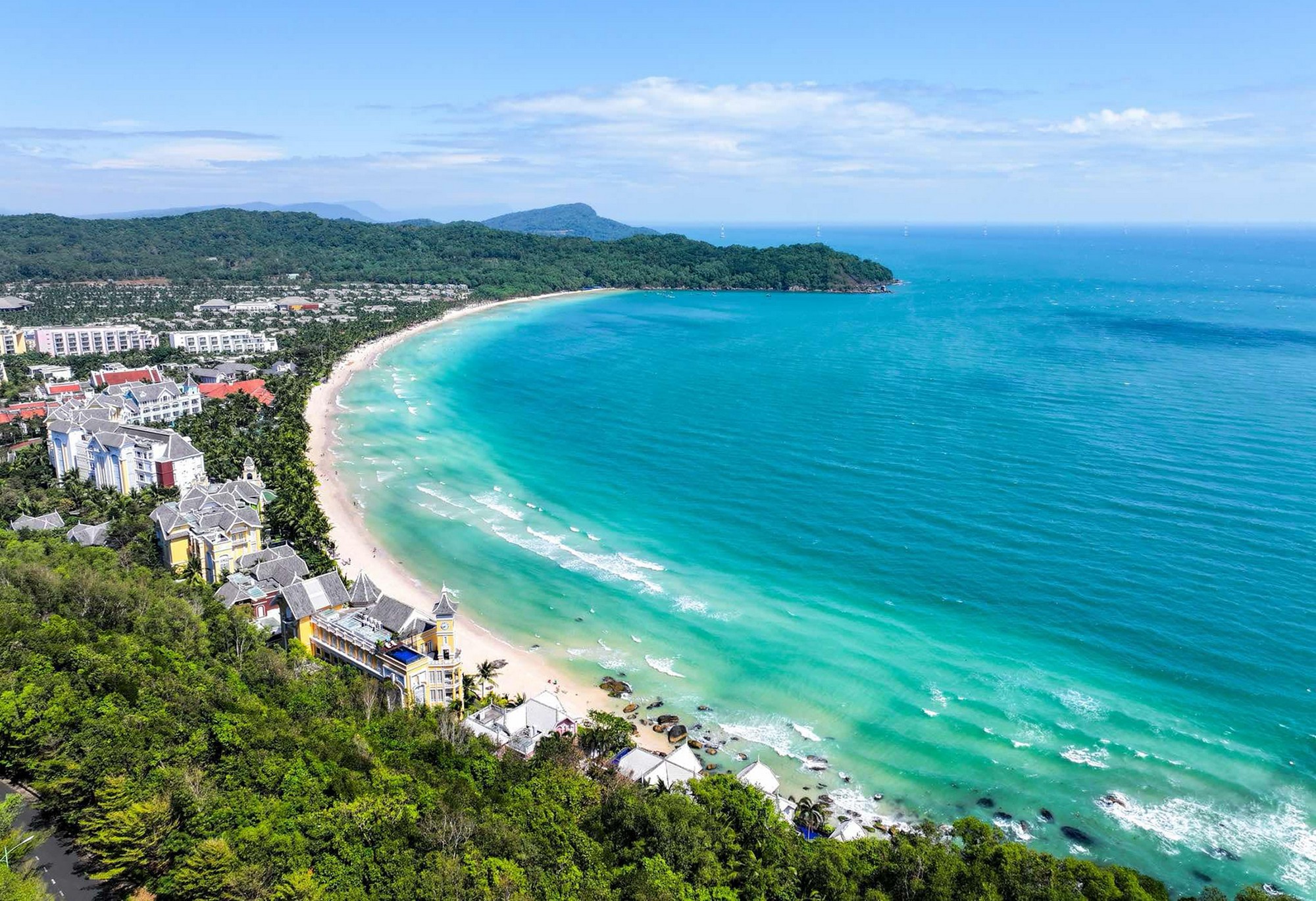
Following Vietnam’s administrative restructuring, the question “which province is Phu Quoc in?” has come up more and more often. According to the latest update, after the 2025 administrative merger, the Phu Quoc Island special zone officially became part of An Giang Province – a significant turning point in the island’s administrative history. Before that, Phu Quoc had been a city under Kien Giang Province since 2021. It remains Vietnam’s largest island and the largest island anywhere in the Gulf of Thailand.
Its geography brings clear natural advantages. Nestled deep within the Gulf of Thailand, the island is sheltered by calm waters and experiences far less impact from major storms than the provinces along Vietnam’s central coast. To the north lies Cambodia, and to the west the waters of Thailand – a strategic position that once made the island an important maritime trading post and today gives Phu Quoc Vietnam an edge in attracting international visitors from across Southeast Asia.
See more: 20+ Best Phu Quoc Tourist Attractions Trending Right Now
Size of Phu Quoc Island
The size of Phu Quoc Vietnam is another key fact worth knowing. The entire Phu Quoc Island archipelago covers a natural area of 589.27 km² – roughly the size of Singapore. The main island alone accounts for most of that area, stretching about 50 km from north to south and up to 28 km at its widest point.
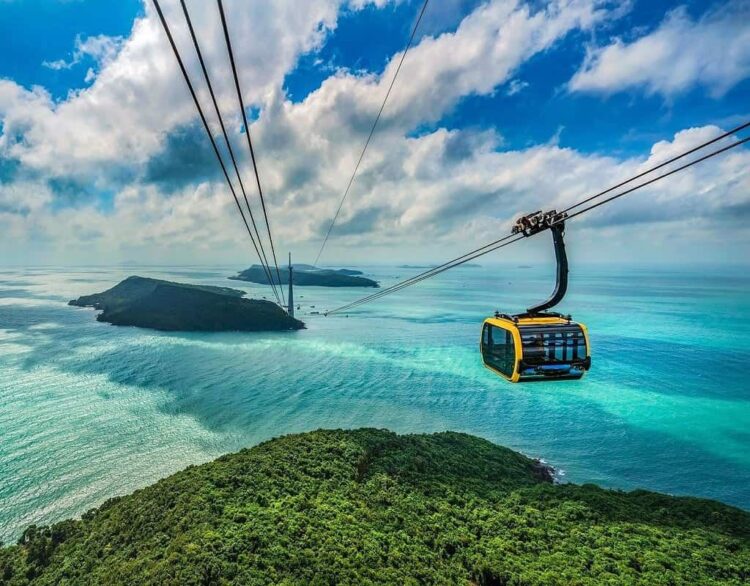
The archipelago consists of the main island plus 21 smaller surrounding islands, forming a rich island system with a coastline stretching more than 150 km. This scale gives Phu Quoc an unusually diverse terrain and marine ecosystem.
Terrain
The terrain of Phu Quoc Vietnam is remarkably varied, blending hills, primary forest, and coastline. Most of the island is covered by Phu Quoc National Park, a tropical primary forest spanning more than 31,400 hectares that UNESCO recognized as a World Biosphere Reserve in 2006. It serves as a vital “green lung,” home to hundreds of rare plant and animal species.
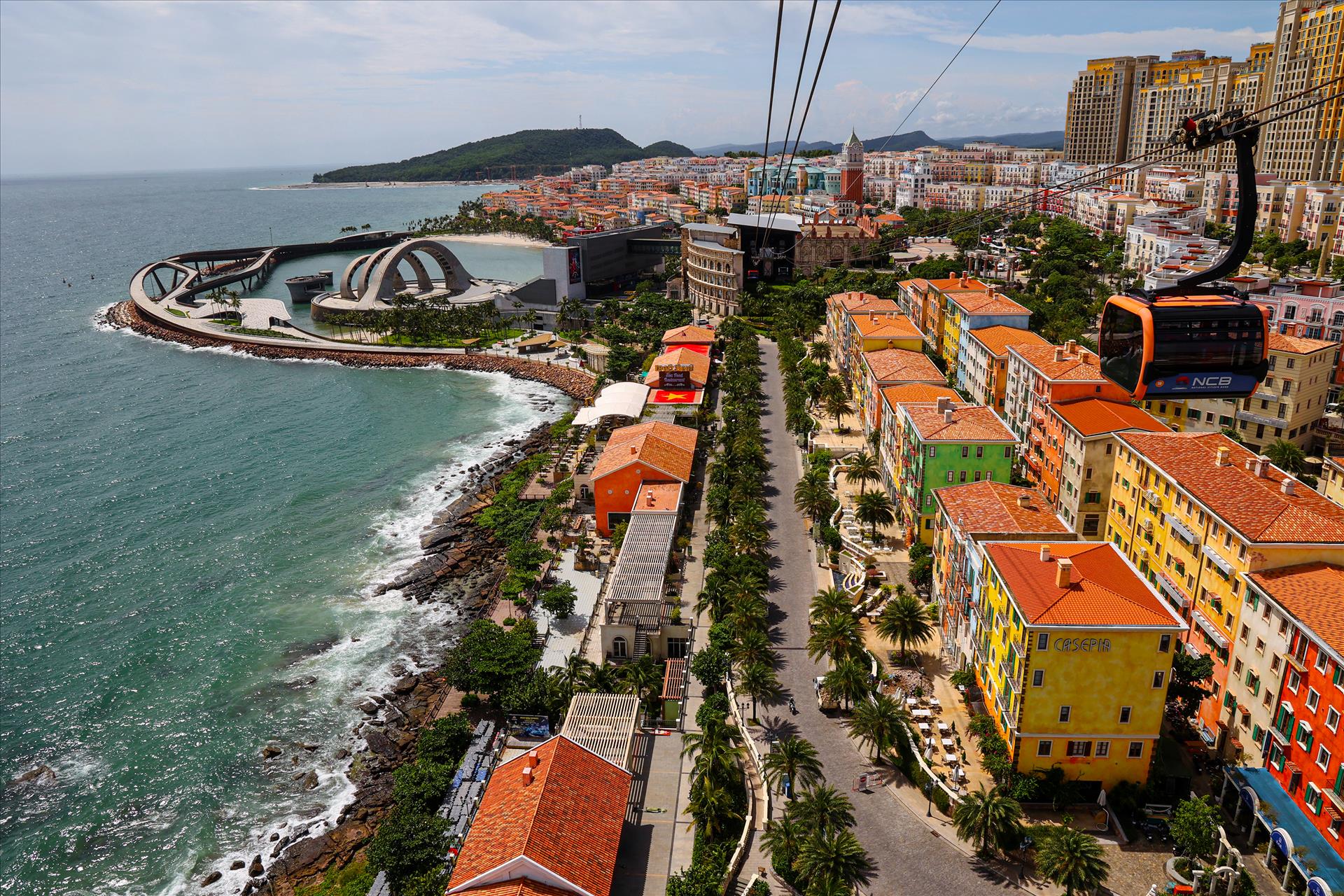
The island is generally divided into three distinct zones:
- Northern Phu Quoc: rugged hills and dense primary forest, largely undeveloped for tourism – ideal for trekking and exploring untamed nature.
- Central Phu Quoc: the most densely populated area, home to the bustling city of Duong Dong, modern infrastructure, and upscale resorts.
- Southern Phu Quoc: the most dynamic tourism zone, featuring beautiful beaches such as Khem Beach and Sao Beach alongside large-scale resorts and entertainment complexes.
Population
As of late 2023, the population of Phu Quoc Island reached nearly 294,419 people, reflecting the island’s remarkable pace of urbanization over the past decade. Overall population density stands at about 1,402 people per km², while the inner-city area of Duong Dong reaches as high as 5,217 people per km².
The local community is a diverse mix of Kinh, Hoa (ethnic Chinese), and long-established fishing communities. Traditional livelihoods – fishing, fish-sauce production, and pepper farming – now exist alongside a rapidly growing tourism industry.
Climate in Phu Quoc Vietnam: When to Visit
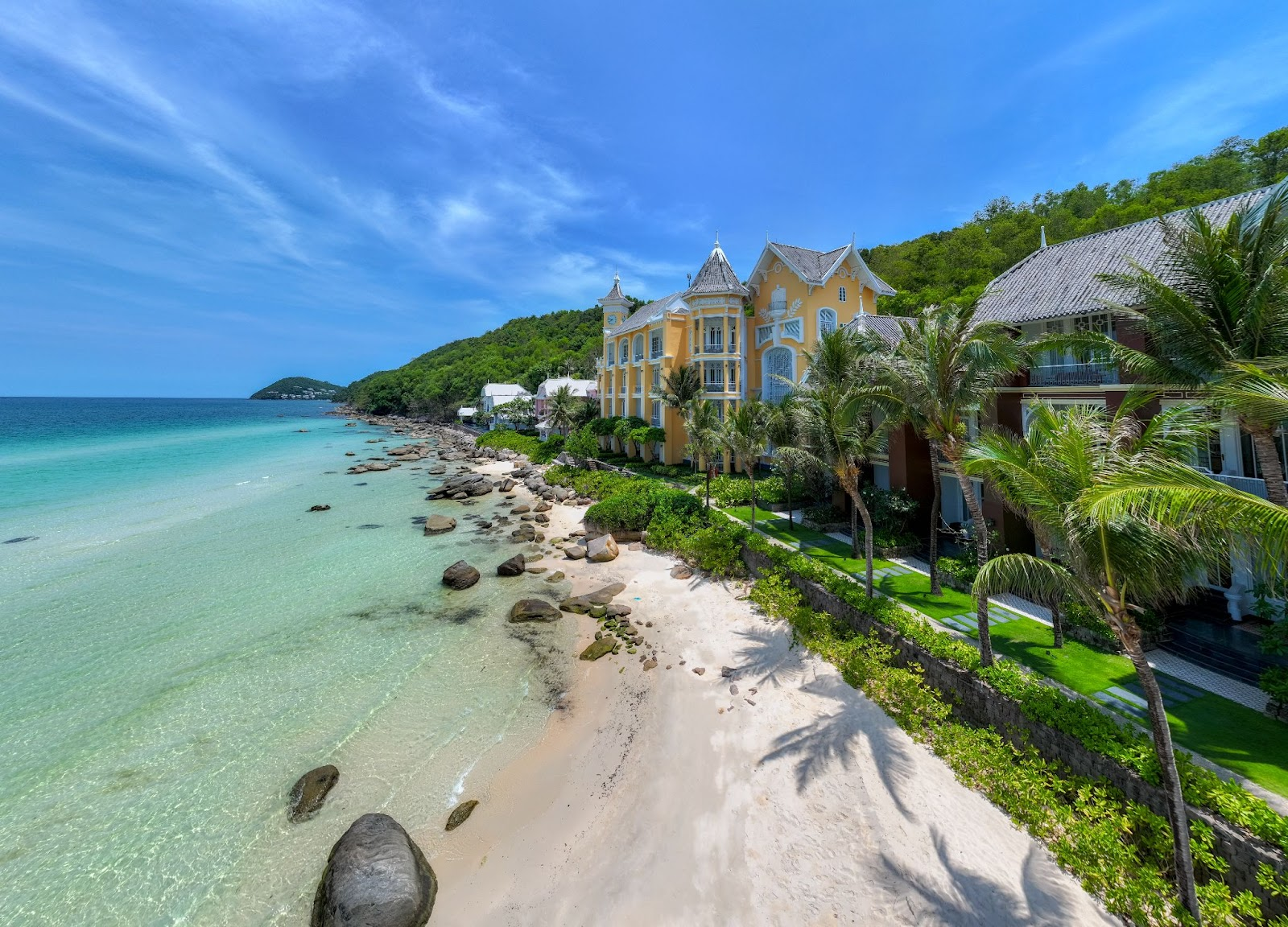
The climate is another essential fact to know before visiting Phu Quoc Island. Sitting at a low latitude and surrounded by the Gulf of Thailand, the island has a tropical monsoon climate with an average year-round temperature of about 27-28°C – ideal for long beach holidays. The year splits into two distinct seasons:
- Dry season (November–April): sunny skies and calm seas make this the best time for swimming, snorkeling, and island-hopping. It’s also the peak season for international visitors.
- Rainy season (May–October): showers tend to arrive in the late afternoon and rarely disrupt inland activities. Fewer crowds, lower prices, and lush green scenery are the upsides of this season.
Thanks to its favorable climate, Phu Quoc Vietnam welcomes visitors year-round – a rare advantage not every Vietnamese island destination can claim.
A Brief History of Phu Quoc Vietnam
No introduction to Phu Quoc Island would be complete without its 300-plus years of eventful history. The island was originally known to the Khmer as “Koh Tral” and was once part of the Kingdom of Funan from the 1st to the 6th century. Its strategic location in the Gulf of Thailand made it a contested territory across many dynasties.
Key milestones that shaped the island into what it is today include:
- 1671: Mac Cuu, a Chinese settler from Guangdong, led more than 400 people to the Gulf of Thailand to build a new life, establishing settlements from Vung Thom to Rach Gia and Ca Mau, with his capital at Man Kham (Ha Tien). The island of Koh Tral was renamed Phu Quoc – combining “Phu” (prosperous) and “Quoc” (nation) – reflecting a wish for a thriving land.
- 1708: Mac Cuu ceded the land to Lord Nguyen, formally bringing Phu Quoc under Vietnamese (Dang Trong) territory – a pivotal moment affirming Vietnam’s long-standing sovereignty over the island.
- 1836: the Nguyen Dynasty established the Phu Quoc district register with 10 villages, the largest being An Thoi, under Ha Chau district, Ha Tien Province.
- 1867–1921: French colonial forces seized three western provinces and placed Phu Quoc under Ha Tien’s administration; in 1921 the French formally established Phu Quoc District.
- After April 30, 1975: Phu Quoc became a district of Kien Giang Province. Through the 1980s it remained sparsely populated with minimal infrastructure.
- 2004: the Prime Minister approved a master development plan aimed at turning Phu Quoc into a regional and international tourism hub.
- 2006: UNESCO recognized the Kien Giang coastal and marine biosphere reserve, including the Phu Quoc archipelago, as a World Biosphere Reserve.
- 2014: Phu Quoc was classified as a grade-II urban area, and Phu Quoc International Airport opened, ushering in a new era of tourism growth.
- 2021: Phu Quoc City was established – Vietnam’s first island city – marking a remarkable milestone after more than half a century of development.
- 2025: following administrative restructuring, the Phu Quoc special zone became part of An Giang Province, continuing its journey toward becoming a world-class economic and tourism special zone.
From an untouched island to one of Southeast Asia’s leading destinations, Phu Quoc Vietnam’s growth is an inspiring story of vision and determination.
Culture and People of Phu Quoc Island
The culture of Phu Quoc Vietnam is a distinctive blend of Vietnamese identity with Chinese and Khmer influences, layered with the island character typical of the southwestern coast. This fusion creates a rich, multi-faceted culture rarely found elsewhere.
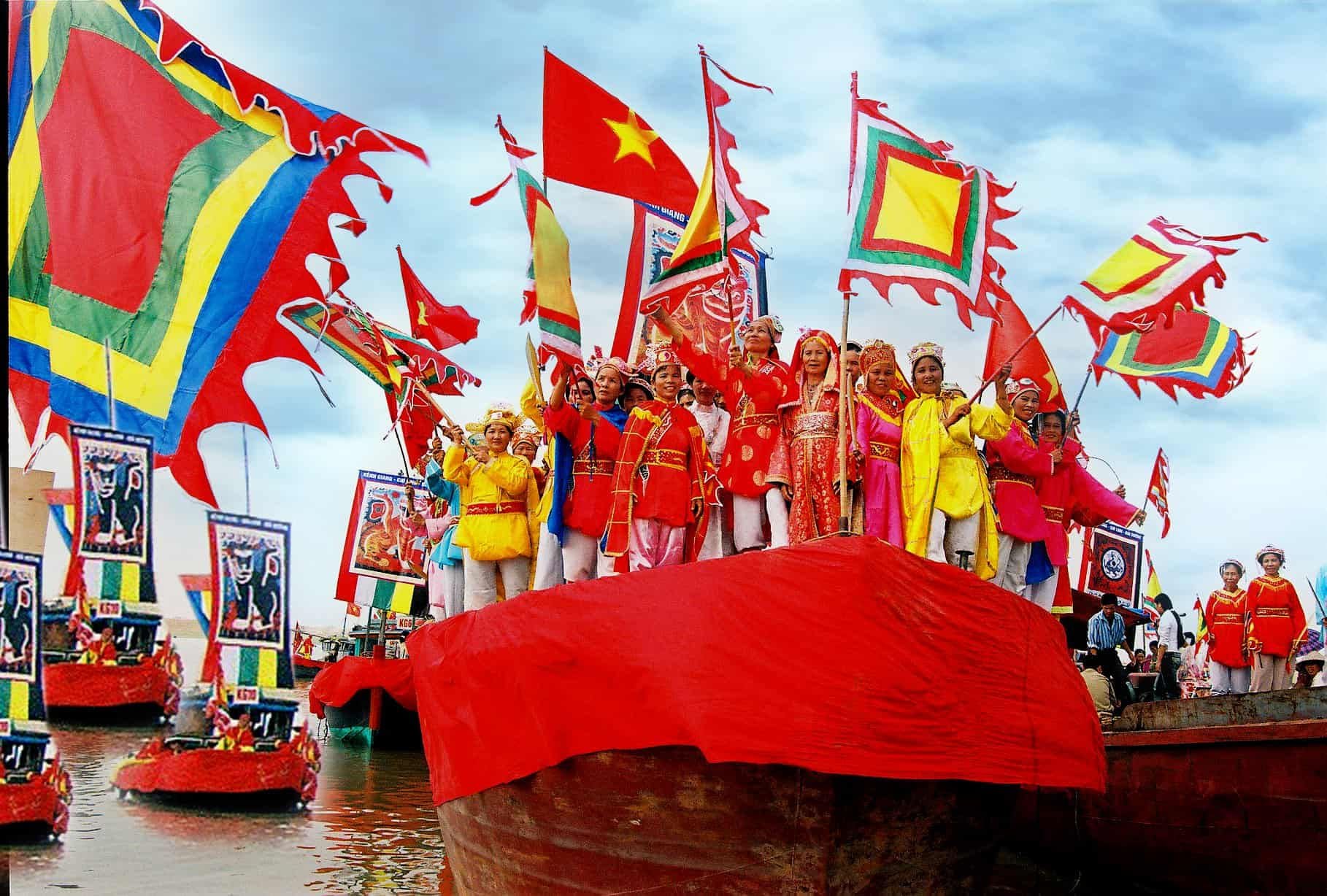
The people of Phu Quoc are known for being gentle, easygoing, and hospitable – qualities shaped by generations of life alongside the sea. A lifestyle intertwined with fishing grounds and nature has fostered warmth and openness toward visitors from afar. Coming to Phu Quoc Island means discovering not just scenic beauty but also the warmth of a close-knit community.
Spiritual life on the island is rich, with temples and shrines found throughout. Notable highlights include:
- Nghinh Ong Festival: the largest traditional festival among local fishermen, held annually to honor the whale – the guardian spirit of seafarers.
- Dinh Ba Thuy Long Festival: held in the third lunar month to pray for national peace and favorable weather, reflecting age-old folk beliefs of coastal residents.
- Ho Quoc Pagoda (Truc Lam Zen Monastery): the island’s largest pagoda, offering a serene spiritual space amid the mountains and a meaningful pilgrimage stop for visitors.
On the culinary side, Phu Quoc boasts specialties that have built a name of their own on Vietnam’s food map. No introduction to Phu Quoc Vietnam is complete without mentioning Phu Quoc fish sauce, brewed from anchovies in wooden barrels using a centuries-old method and granted a European Protected Geographical Indication. Add to that fragrant Phu Quoc Island black pepper, pearls cultivated in clean coastal waters, and fresh seafood dishes such as herring salad and grilled sea urchin with scallion oil – unforgettable culinary experiences for anyone visiting the Pearl Island.
What Is Phu Quoc Island Famous For?
What makes Phu Quoc Vietnam draw millions of domestic and international visitors every year? The answer lies in a rare combination of five core strengths.
1. World-Class Beaches
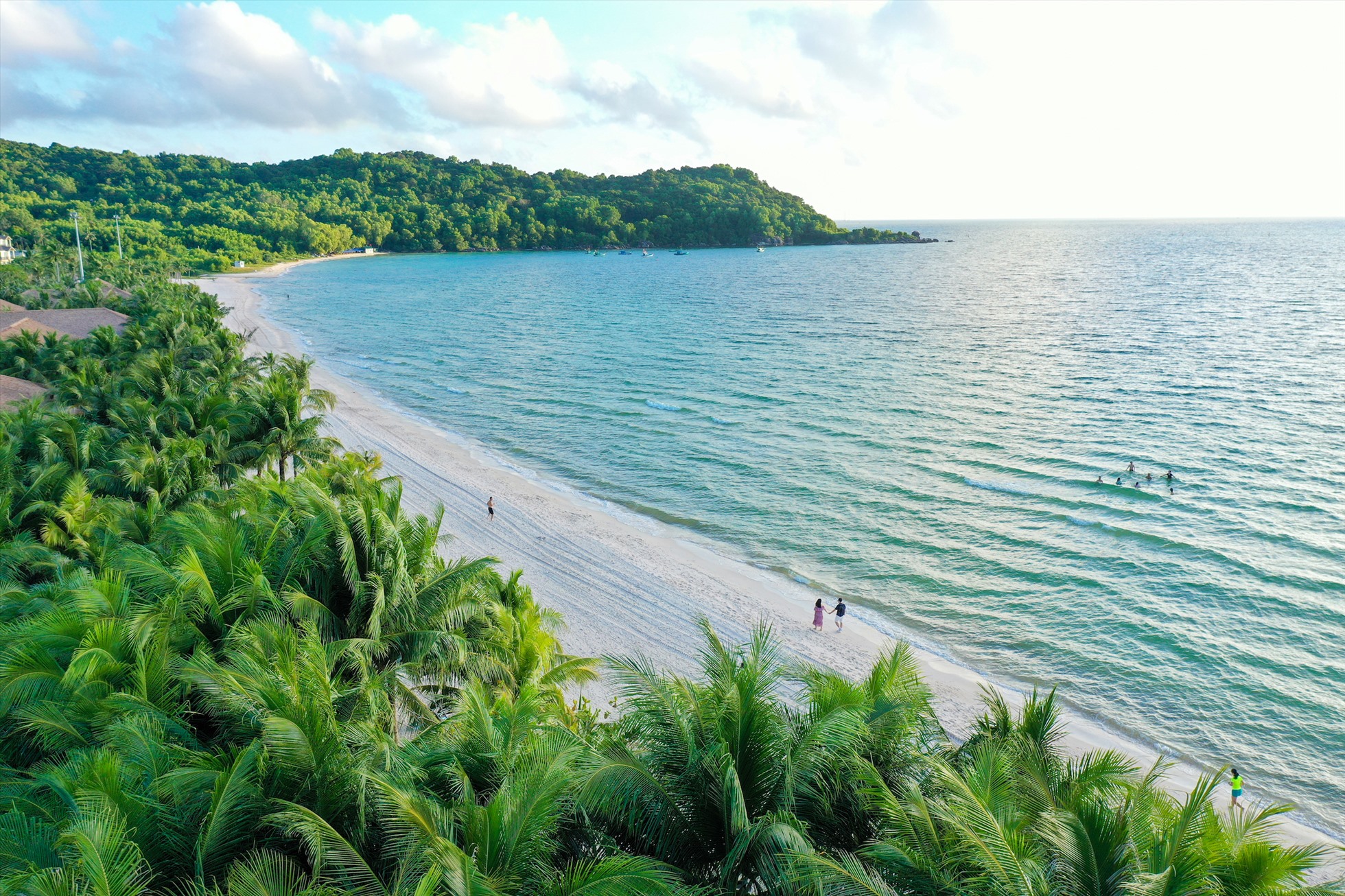
With over 150 km of coastline, Phu Quoc Island offers beaches with jade-clear water and sand as fine as powder. Sao Beach has been ranked by several international magazines among the most beautiful beaches in Asia, while Long Beach, Khem Beach, and Ong Lang Beach each offer their own charm, from wild and untouched to refined and luxurious. In 2024, Travel + Leisure magazine (USA) ranked Phu Quoc the second most beautiful island in the world, behind only the Maldives.
2. World-Class Tourism Ecosystem
Phu Quoc United Center is one of Asia’s largest entertainment-and-resort complexes, encompassing VinWonders Phu Quoc (Southeast Asia’s largest amusement park), Vinpearl Safari (a semi-wild zoo), Grand World Phu Quoc (a lively Venice-style night town), and a system of luxury five-star resorts – together catering to families, couples, nature lovers, and thrill-seekers alike.
3. Unique Historical and Cultural Heritage
Phu Quoc Prison stands as a historical witness to the resistance war, where thousands of revolutionary soldiers endured hardship with unwavering resolve. Traditional fishing villages such as Ham Ninh and Rach Vem still preserve the peaceful rhythm of fishermen’s daily lives, while spiritual sites like Ho Quoc Pagoda and Dinh Cau Temple add cultural depth to the island.
4. Renowned Local Specialties
Phu Quoc fish sauce with its European geographical indication, fragrant black pepper, clean-water pearls, and fresh seafood straight from the sea make for gifts and culinary experiences visitors simply cannot skip.
5. Great Value for the Experience
A 3-day, 2-night trip to Phu Quoc Island typically costs just a third to a quarter of comparable destinations such as Singapore or Koh Samui, Thailand – a major competitive advantage that continues to draw international travelers choosing Phu Quoc Vietnam as a stop on their Southeast Asia itinerary.
Tourism in Phu Quoc Vietnam Today
The story of tourism in Phu Quoc Island is one of a remarkable transformation – from an untouched island to an internationally renowned destination within just two decades. Since the master development plan was approved in 2004, tourism infrastructure has expanded at an impressive pace.
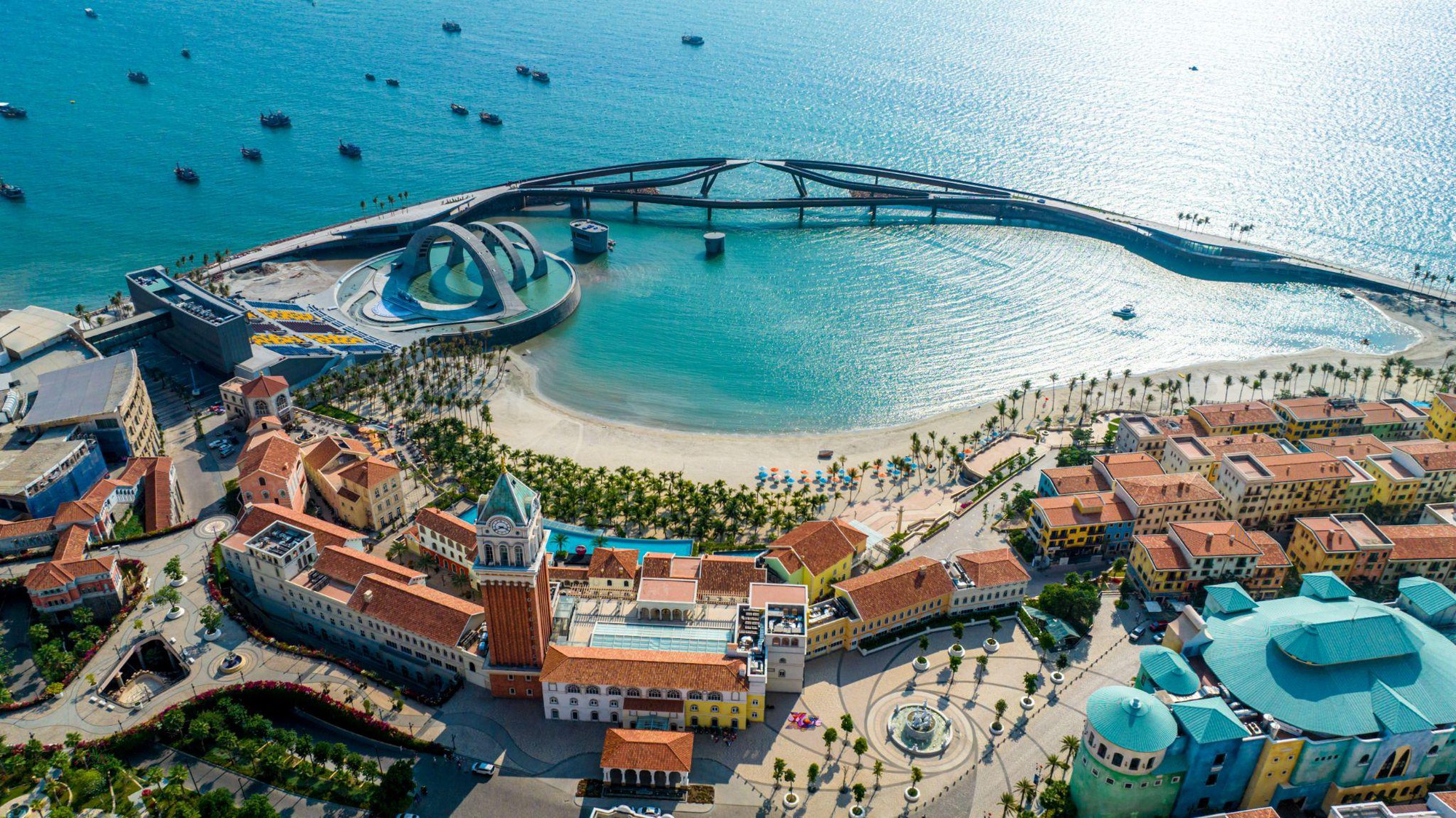
Phu Quoc Vietnam offers a wide range of travel experiences to suit every need:
- Beach & resort tourism: a full spectrum of resorts, from budget-friendly to five-star, lining the coast – perfect for couples, families, and groups of friends.
- Nature and adventure tourism: trekking through primary forest, snorkeling, kayaking, night fishing, and coral viewing around Hon Thom.
- Cultural and historical tourism: visits to Phu Quoc Prison, Dinh Cau Temple, fishing villages, and traditional fish sauce and pepper production sites.
- Entertainment tourism: VinWonders Phu Quoc, Vinpearl Safari, Grand World, and the Hon Thom Cable Car – the longest overwater cable car in the world.
- MICE and team-building tourism: world-class conference facilities and resorts equipped for large-scale corporate events.
Getting to the island is easy: direct flights connect Phu Quoc Island with Ho Chi Minh City (45 minutes), Hanoi (2 hours), and other major Vietnamese cities. Phu Quoc International Airport also receives direct flights from South Korea, China, Singapore, and other countries, while high-speed ferries from Rach Gia and Ha Tien offer a scenic alternative for reaching the island.
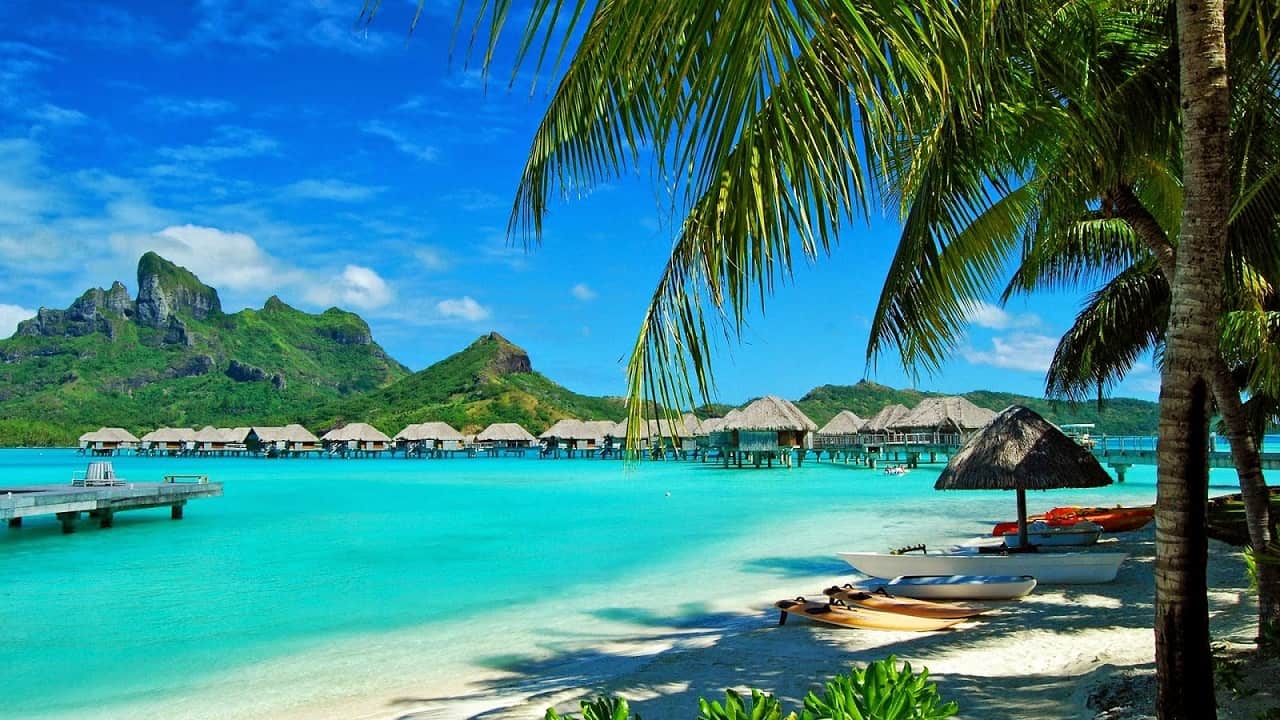
The ideal time to visit Phu Quoc Vietnam is between November and April, when the weather is dry, the sea is calm, and the sun shines bright. That said, with its modern facilities, the island can be fully enjoyed year-round.
With over 300 years of history, a culture rich in island heritage, and a world-class tourism ecosystem, Phu Quoc Island rightfully earns its place as a must-visit destination on Vietnam’s and Southeast Asia’s – travel map.
From its location and administrative status to its beaches, culture, and history, Phu Quoc Vietnam has everything a traveler could want in one island. My Vietnam Tours is proud to accompany you on every journey to explore the Pearl Island. With local, knowledgeable guides, expertly designed itineraries, and dedicated service from start to finish, we’re committed to delivering a truly complete and memorable Phu Quoc Island getaway.