

Son Doong Cave: Exploring the World’s Largest Cave from A to Z
Hidden deep within the lush jungles of Vietnam lies a subterranean kingdom so vast it possesses its own localized weather system and jungle. Since its discovery, Son Doong Cave has captivated the world’s imagination, standing as the ultimate frontier for adventurers and nature lovers alike. If you are planning a Son Doong discovery or simply curious about this geological marvel, the article below by My Vietnam Tours will uncover key insights and provide essential information to make your Son Doong Cave expedition more complete and memorable than ever.
Introduction to Son Doong Cave in Vietnam
Stepping into Son Doong is like entering a prehistoric world untouched by time, where the scale of nature defies human logic.
Where Is Son Doong Cave Located?
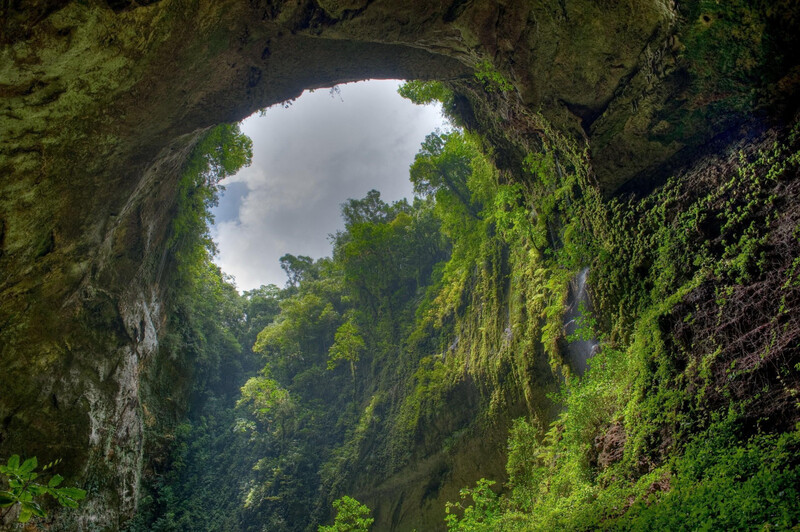
Son Doong Cave is nestled within the Phong Nha-Ke Bang National Park, a UNESCO World Heritage site in the Quang Tri Province of Vietnam. This region is famous for its complex karst system, the oldest in Asia, dating back over 400 million years. Getting to the cave entrance is an adventure in itself, requiring a trek through the dense, primary jungle and a visit to the remote Ban Doong ethnic minority village. Its isolation is its protection; located far from the reach of modern infrastructure, the cave remains a pristine sanctuary for biodiversity and ancient geological formations.
How Big Is Son Doong Cave?
When we speak of the scale of Son Doong, we are talking about dimensions that are difficult for the human mind to process. It is officially the largest cave in the world by volume, measured at approximately 38.5 million cubic meters. The main passage is over 9 kilometers long, 200 meters high, and 150 meters wide. To visualize this, a 40-story New York City skyscraper could easily stand inside the cave’s largest passage without touching the ceiling. In fact, an entire city block of skyscrapers could fit within its walls. The cave is so voluminous that it creates its own internal microclimate; moisture from the underground river rises and condenses, forming clouds that float through the caverns, occasionally causing “rain” deep underground.
Global Recognition and World Records
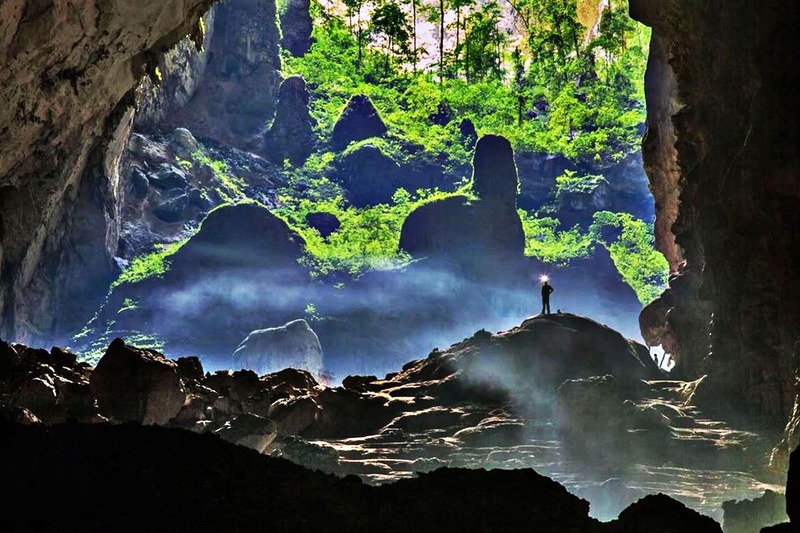
The global impact of son doong cannot be overstated. After the 2009 expedition led by Howard Limbert and the British Cave Research Association (BCRA), National Geographic dubbed it one of the most magnificent places on Earth. It holds the Guinness World Record for the largest cave and has been the subject of numerous high-profile documentaries by the BBC and Disney. Unlike other tourist attractions, a hang Son Doong visit is strictly limited to a small number of people per year, making it an exclusive experience.This exclusivity is a key component of its global allure, ensuring that every son doong discovery feels like a true first-time exploration.
Extraordinary Natural Wonders Inside Son Doong Cave
The interior of the cave is a masterpiece of geological evolution, featuring landscapes that you won’t find anywhere else on the planet.
The Passage of Hope and Vision
As you first descend into the cave, you enter the “Passage of Hope.” This section is characterized by its sheer, monolithic scale. The vision part of the name comes from the overwhelming sense of awe that hits explorers as their headlamps struggle to find the ceiling. Here, the air is cool, and the limestone walls are draped in delicate “cave popcorn” formations.
This passage serves as a transition from the outside world into the deep unknown. The echoes of your footsteps against the damp rocks serve as a constant reminder of the isolation. It is in this passage that many adventurers truly realize the gravity of their son doong cave expedition, feeling the weight of millions of years of geological history pressing in from all sides
The Mysterious Underground River
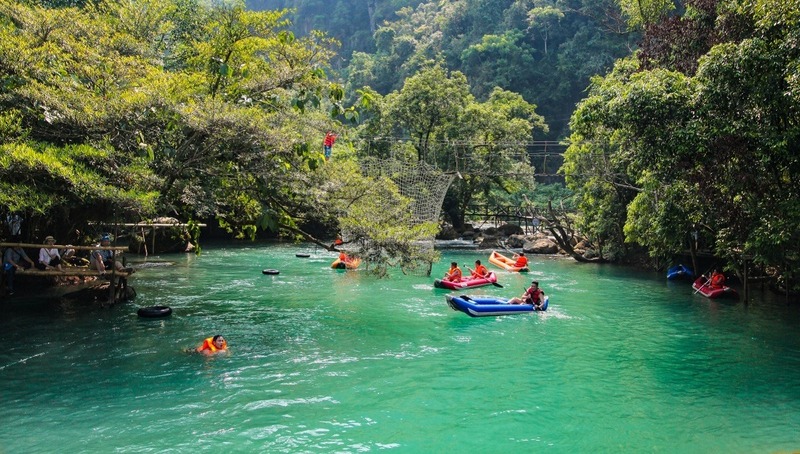
The Rao Thuong River is the important architect of hang Son Doong cave. This powerful waterway continues to carve the limestone even today. During the trek, you will cross this river multiple times, sometimes wading through knee-deep turquoise water and other times hearing it roar from deep within unexplored fissures. The river brings life to the cave, but it also creates an atmosphere of mystery.
In the rainy season, the water levels rise dramatically, filling the passages and making the cave impassable. The mist rising from the river often creates a thick fog that hangs in the air, illuminated by the faint light from distant sinkholes, creating a hauntingly beautiful “phantom” landscape that is a highlight of any hang Son Doong visit.
Massive Sinkholes
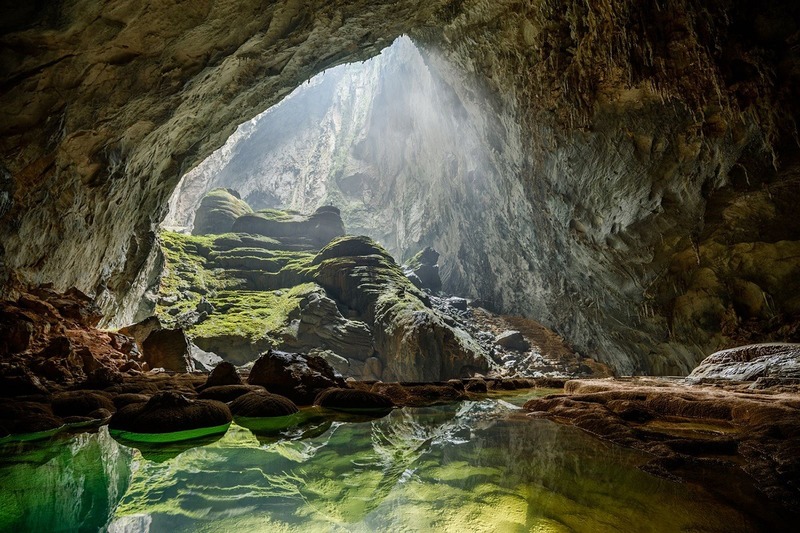
Perhaps the most iconic features of Son Doong are the two giant dolines, or sinkholes, where the cave ceiling collapsed hundreds of thousands of years ago. These “skylights” allow sunlight to penetrate the darkness, creating a phenomenon found nowhere else on Earth.
- Doline 1 (Watch out for Dinosaurs): This first collapse creates a dramatic spotlight of sunbeams. Legend has it the name came from the explorers’ feeling that a prehistoric creature might step out from behind a rock at any moment.
- Doline 2 (Garden of Edam): Because sunlight reaches the cave floor here, a full primary jungle has grown inside the cave. Standing among 30-meter-tall trees, ferns, and lianas while 200 meters underground is a surreal experience that highlights the incredible resilience of nature. It is a true “lost world” ecosystem, home to flying foxes, monkeys, and birds that thrive far below the Earth’s surface.
The Great Wall of Vietnam
Your journey through the cave culminates at the “Great Wall of Vietnam” – a 90-meter-high calcite wall. This is not a man-made structure but a massive flowstone formation that blocks the path like a fortress. Navigating the wall requires technical climbing gear, including harnesses, ropes, and a stainless steel ladder system installed by experts. Reaching the top of the Great Wall is the “grand finale” of the trek.
From the summit, you can look back into the cavernous depths you’ve just traversed and forward toward the exit light. It is a moment of intense physical and emotional triumph, marking the completion of the most challenging part of the Son Doong discovery.
Cave Pearls
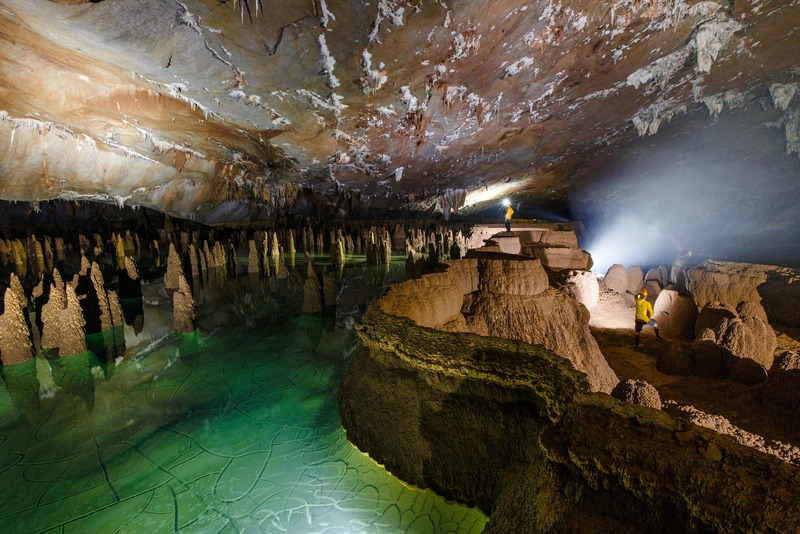
While the scale of Son Doong is massive, some of its most beautiful features are tiny. In dried-up terraced pools, you will find “cave pearls” (calcite oolites). These stone spheres are formed over hundreds of years as dripping water deposits layers of calcium carbonate around a grain of sand or a small seed. In most caves, these pearls are the size of peas, but in hang Son Doong cave, they have grown to the size of baseballs. They are incredibly fragile and rare, protected by strict “no-touch” rules to ensure they remain for future generations to admire.
Unique Experiences Only Found in Son Doong Cave
A trip to Son Doong is a sensory overload, offering experiences that are physically impossible to replicate anywhere else in the world.
Camping Beneath the Massive Cave Ceiling
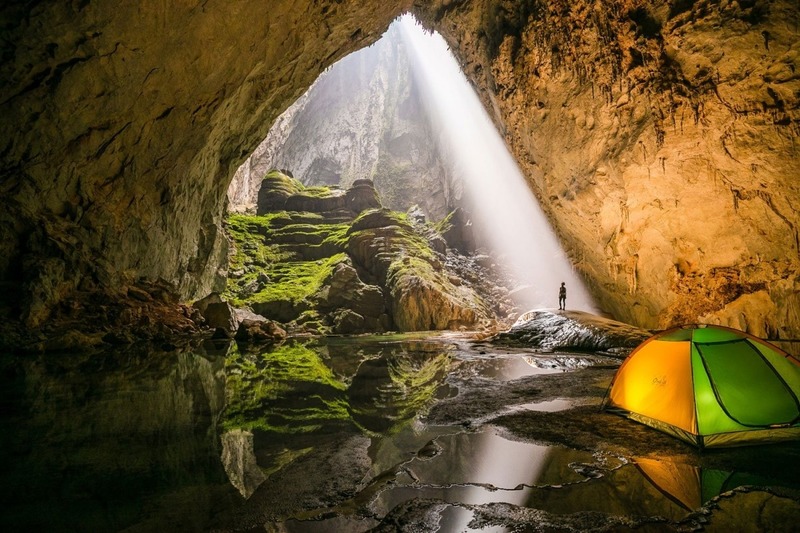
Camping in Son Doong is a world away from your standard outdoor experience. The campsites are located on sandy underground beaches near the sinkholes. Imagine lying in your tent, looking up not at a canvas roof, but at a limestone ceiling hundreds of meters high, shrouded in drifting clouds. The soundscape is dominated by the rhythmic “drip-drop” of water and the distant echo of the river. The interplay of shadows from the camp lanterns against the ancient stalagmites creates a theatrical atmosphere. It is, without a doubt, the most spectacular “hotel” you will ever stay in during a son doong cave expedition.
Swimming in Hidden Pools and Underground Rivers
One of the most exhilarating parts of the journey is the opportunity to swim in the cave’s “swimming pools”. These are naturally occurring reservoirs of cool, crystal-clear water. In the pitch darkness of the cave, with only your headlamp to guide you, diving into the water feels like a leap into the unknown. In some sections, you will need to swim through narrow passages to reach the next chamber. This activity adds a layer of “aquatic adventure” to the trek, making the son doong discovery a truly multi-sport expedition that tests your comfort in all environments.
Stargazing from Within the Earth
While it sounds like a contradiction, stargazing from inside Son Doong is a highlight. When you camp near Doline 1 or Doline 2, you have a framed view of the night sky through the massive opening in the Earth. Because the cave is located in a remote national park with zero light pollution, on clear nights, the stars appear with a clarity that is rarely seen in the modern world.
Watching the Milky Way pass over the jagged edges of the sinkhole while you are standing hundreds of meters underground creates a profound sense of connection between the subterranean world and the vast cosmos. It is a weather-dependent but deeply rewarding moment that many travelers cite as the most emotional part of their Hang Son Doong visit.
Listening to Nature’s Silence And Echo
In the depths of Son Doong, silence is a physical presence. When the group stops moving and switches off their lights, you can feel the cave “breathing.” You might hear the faint rustle of a cave cricket, the distant flapping of a bat, or the sound of your own heartbeat. The acoustics are so perfect that a whisper can carry for hundreds of meters.
This sensory deprivation experience helps to sharpen your other senses, making you more aware of the textures of the rock and the cool humidity of the air. It is a meditative experience that allows you to truly explore Son Doong cave on an internal level.
Practical Tips for Exploring Son Doong Cave in Vietnam
Because of its fragile ecosystem and challenging terrain, visiting this wonder requires careful planning and physical readiness.
What to Prepare for Your Trip
A Son Doong cave expedition is a demanding multi-day trek. You should be able to trek 10 kilometers a day over uneven terrain and climb steep inclines. So, be well prepared with physical health and other professional equipment.
- Footwear: You need high-quality trekking boots with excellent drainage and grip. Do not bring brand-new boots; break them in at least a month before the trip.
- Clothing: Quick-dry, long-sleeved shirts and trousers are essential to protect against leeches and sharp rocks.
- Photography: If you are a photographer, bring a tripod and a camera capable of high ISO, as the cave is extremely dark.
- Mental Fitness: Be prepared for 4 days of no Wi-Fi, no electricity, and limited privacy. The mental reward, however, is far greater than any physical discomfort.
Cave Conservation Rules
The preservation of hang Son Doong cave is the top priority for the Vietnamese government and the tour operators. There is a strict “Leave No Trace” policy.
- Waste Management: All waste, including human waste, is collected and carried out of the cave by a dedicated porter team.
- Footpath Protocol: To protect the delicate cave floor and ancient fossils, visitors must stay on a strictly defined path. Stepping off the path can destroy fragile formations that took thousands of years to grow.
- Respect the Wildlife: You may encounter rare species of white spiders, fish, or insects that have evolved to live in total darkness. Observation is encouraged, but interaction is strictly forbidden.
- No Touching: The oils from human skin can stop the growth of stalactites and stalagmites. Observing from a distance is the rule of the land. By following these rules, you contribute to the sustainability of the son doong discovery for future generations.
Best Time to Visit Son Doong Cave
The tour season is limited from late January to August to ensure safety and allow the cave to “rest” during the monsoon season.
- February to April: This is the best time for those who prefer cooler weather. The jungle is lush, and the temperatures are comfortable for heavy trekking.
- April – May: This is the “Golden Season” for photography. The sun is at the right angle to shine directly through the dolines, creating the iconic “heavenly beams” of light.
- June – August: The weather is hot outside, but the cave remains cool. This is the best time for those who enjoy swimming in the underground rivers, though the jungle trek to the entrance can be quite humid.
If you are seeking an adventure that goes beyond the ordinary, it is time to explore Son Doong cave. From the moment you enter the Passage of Hope to the final climb up the Great Wall of Vietnam, every second is a lesson in the power of nature. It challenges your body, expands your mind, and touches your soul. Are you ready for your ultimate son doong discovery? The adventure of a lifetime awaits in the depths of Vietnam.